

Vestibular therapy for vertigo and balance in Austin
Dizziness is miserable, and a lot of it is very treatable. The most common kind of vertigo often clears in one to three visits. For concussions and balance problems, we build a plan that gets you back to screens, crowds, and stairs with confidence.

Common reasons people come in
Positional vertigo often clears in 1 to 3 visits. Concussion and balance plans usually run 6 to 10.
- BPPV (positional vertigo)
- Vestibular neuritis
- Concussion recovery
- Dizziness after a viral illness
- Unsteadiness and balance loss
- Fear of falling
- Recovering after a fall
- Motion sensitivity
How we treat it
Every plan is built around your goals, and most follow these three phases.
- 01
Find the cause
Eye movement, positional, and balance testing to find out whether the problem is the inner ear, the brain, the neck, or a mix.
- 02
Treat it directly
Repositioning maneuvers for BPPV, plus eye, head, and balance exercises that retrain the system.
- 03
Build steadiness
Strength and balance work for the situations that worry you, like curbs, crowds, and getting up off the floor.

Led by Dr. Sam Tran
PT, DPT · Vestibular and strength
Sam completed advanced training in vestibular rehabilitation and treats vertigo, concussion, and balance problems. He also leads the Thursday strength class for adults over 50.
“Three weeks of room-spinning vertigo, and Sam fixed it in one visit. I wish I’d called sooner.”
Questions about dizziness and balance
How do I know if my vertigo is BPPV?
BPPV usually causes short spells of spinning, under a minute, when you roll over in bed, look up, or bend down. We test for it at your first visit and can often treat it the same day.
Can you help with concussion symptoms?
Yes. Headaches, dizziness, and trouble with screens or busy places often improve with a graded plan. We work alongside your doctor and can help plan a return to school, work, or sport.
When should I see a doctor instead?
Go to an emergency room for sudden dizziness with slurred speech, facial drooping, weakness, a severe headache, or trouble walking. Those can be signs of a stroke.
Other care
Other problems we treat.
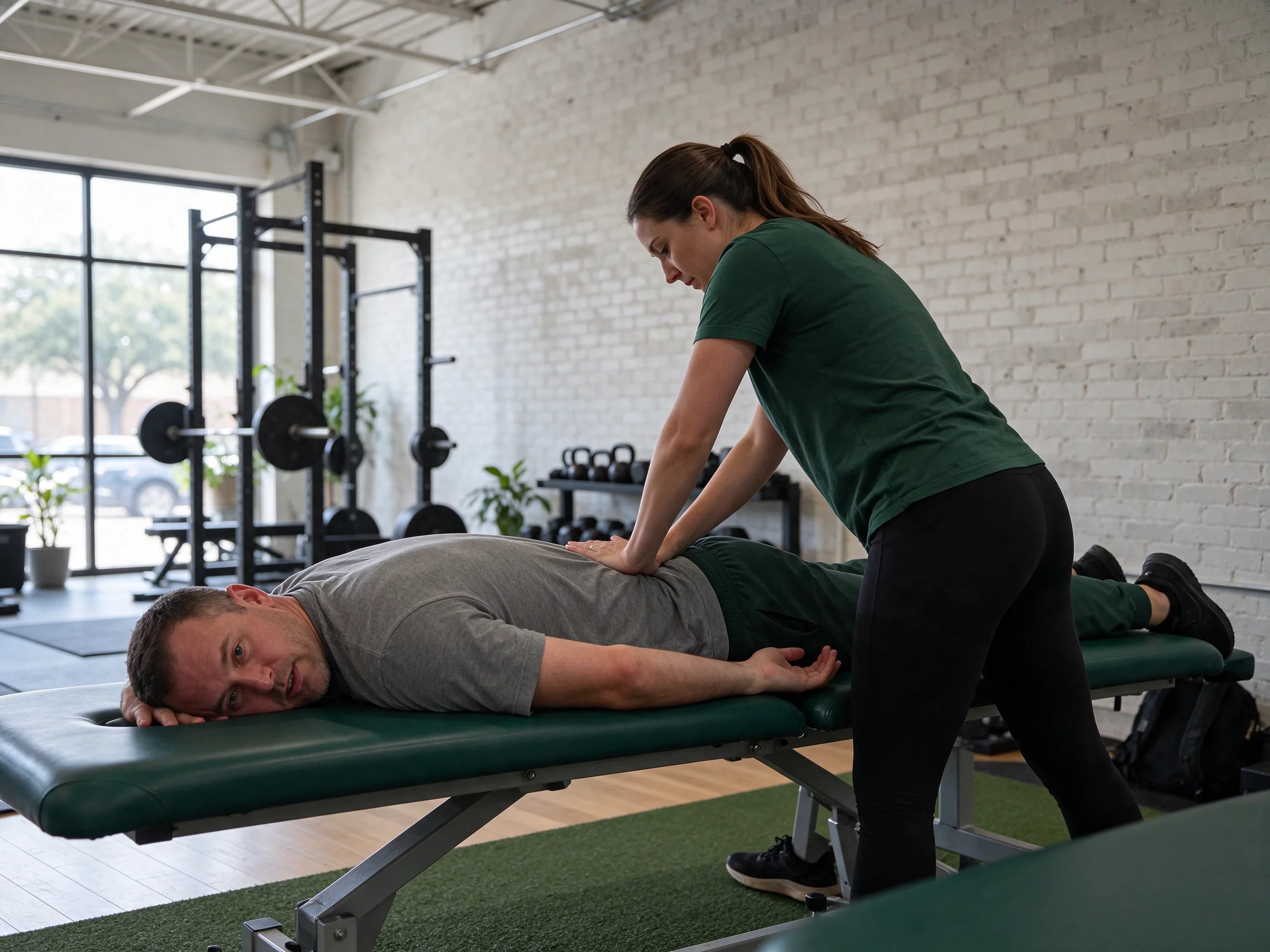
Back and neck pain
Disc pain, sciatica, stiffness, and the ache that comes back every few months.
Learn more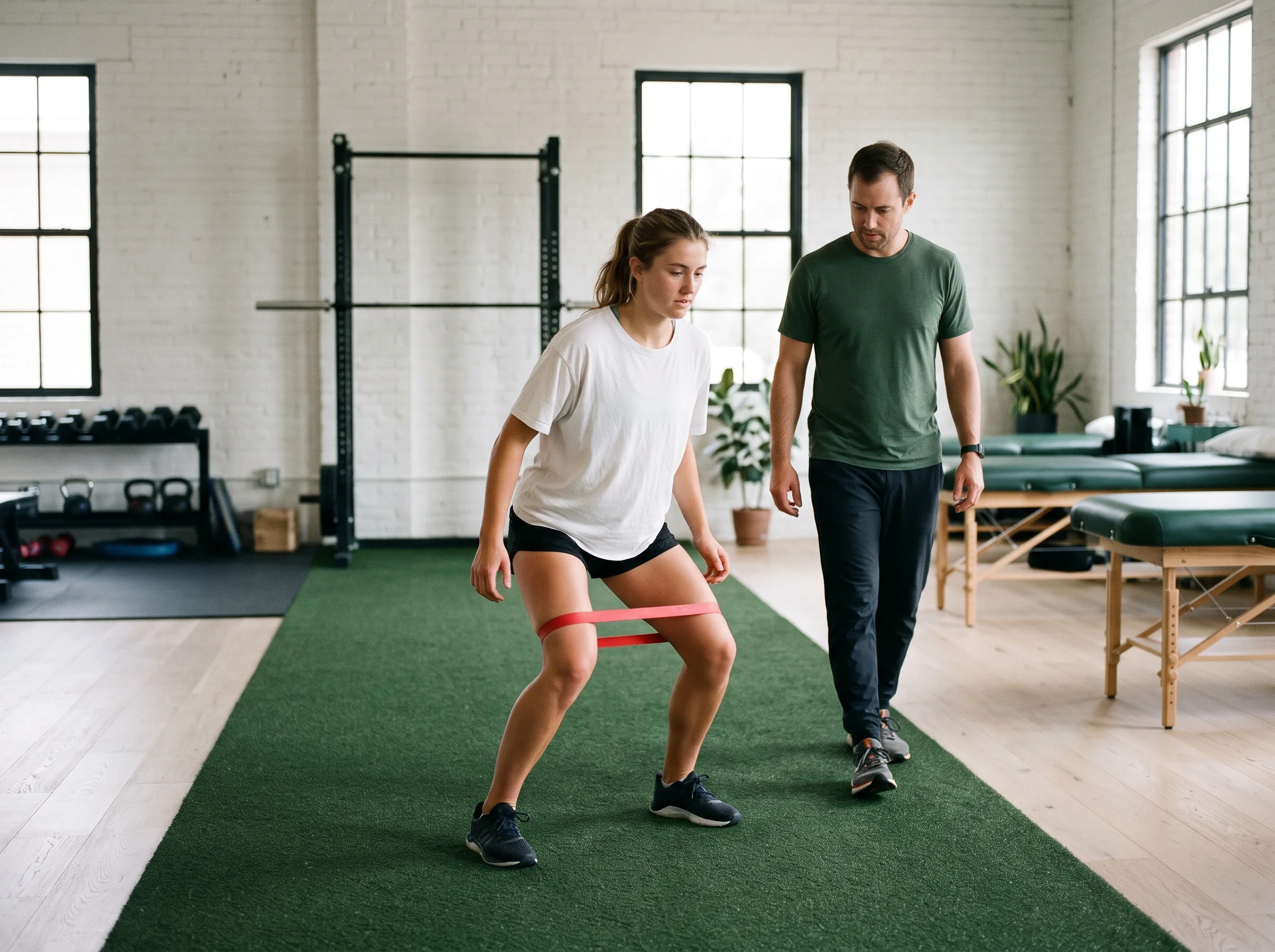
Sports and running injuries
Runners, lifters, weekend soccer, and pickleball. We keep you training while you heal.
Learn more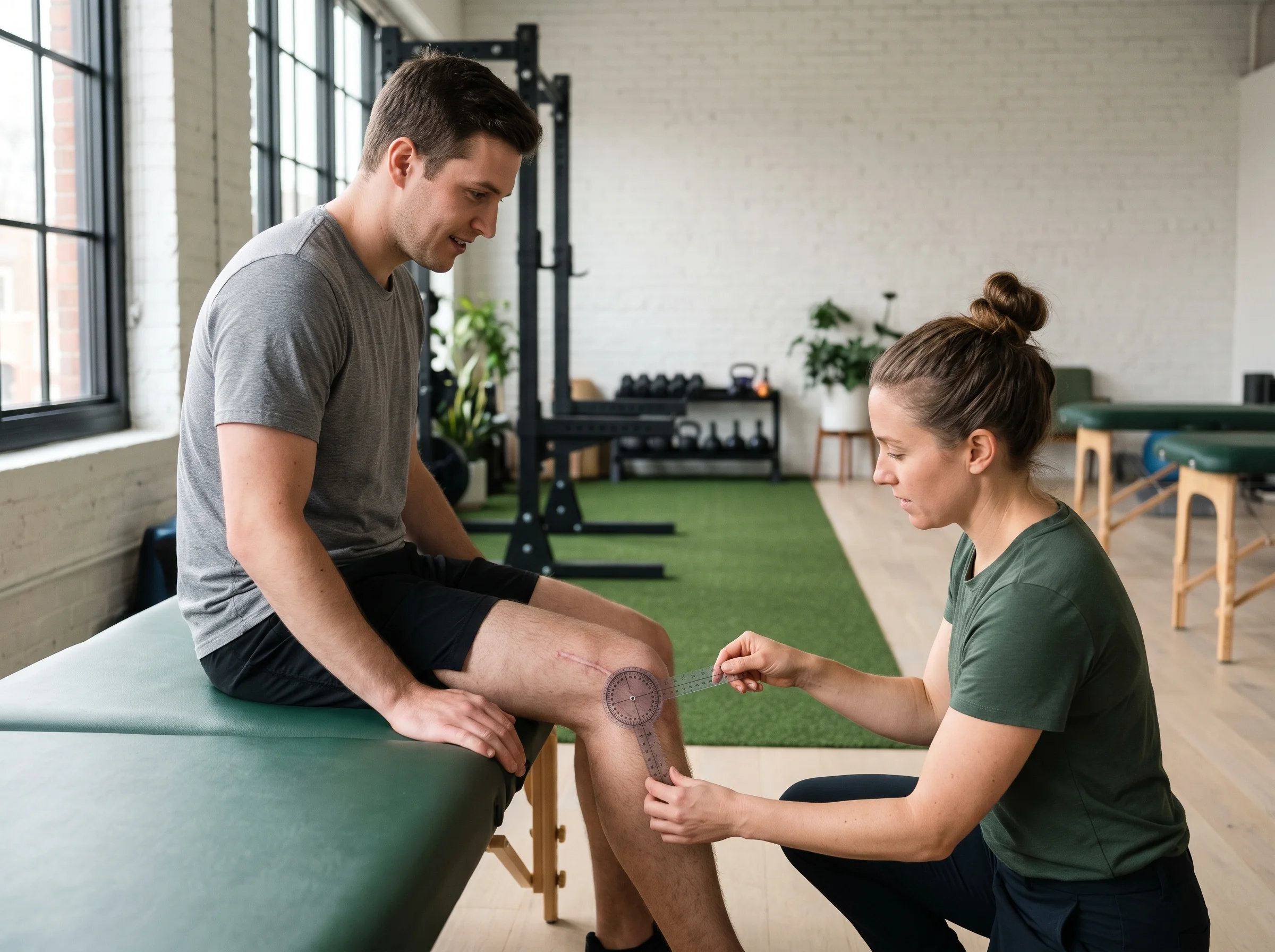
Rehab after surgery
ACL, meniscus, rotator cuff, and joint replacements, following your surgeon’s protocol.
Learn moreStart with one visit
Most new patients are seen within two business days. Request a time online, and we’ll check your insurance before you come in.